
Learning beyond the classroom
Outdoor spaces give pupils more ways to explore ideas, move, observe and work together. This page brings together what the research and guidance say about outdoor learning in schools.
What the research found
“Nature-specific outdoor learning has measurable socio-emotional, academic and wellbeing benefits.”
Mann et al. (2022) — a systematic review of 147 studies
A systematic review gathers many individual studies and weighs them together. This one looked at 147 studies of learning in natural settings and found consistent signs of benefit — for how pupils feel, how they relate to each other, and how they learn.
That’s a strong signal, not a guarantee. The sections below show what it can look like in practice.
Read the full reviewof surveyed teachers said pupils were more engaged when learning outdoors.
What teachers noticed
In the Natural Connections project, teachers across 125 schools in England reported that pupils were more engaged, motivated and enjoyed learning more when lessons moved outdoors.
These are survey findings from one project. They describe what participating teachers reported, not a guaranteed result for every school.
Read the Natural Connections reportWhat a space can support
A well-designed space helps make these possible. Teaching, relationships and inclusion bring them to life.
Engagement & collaboration
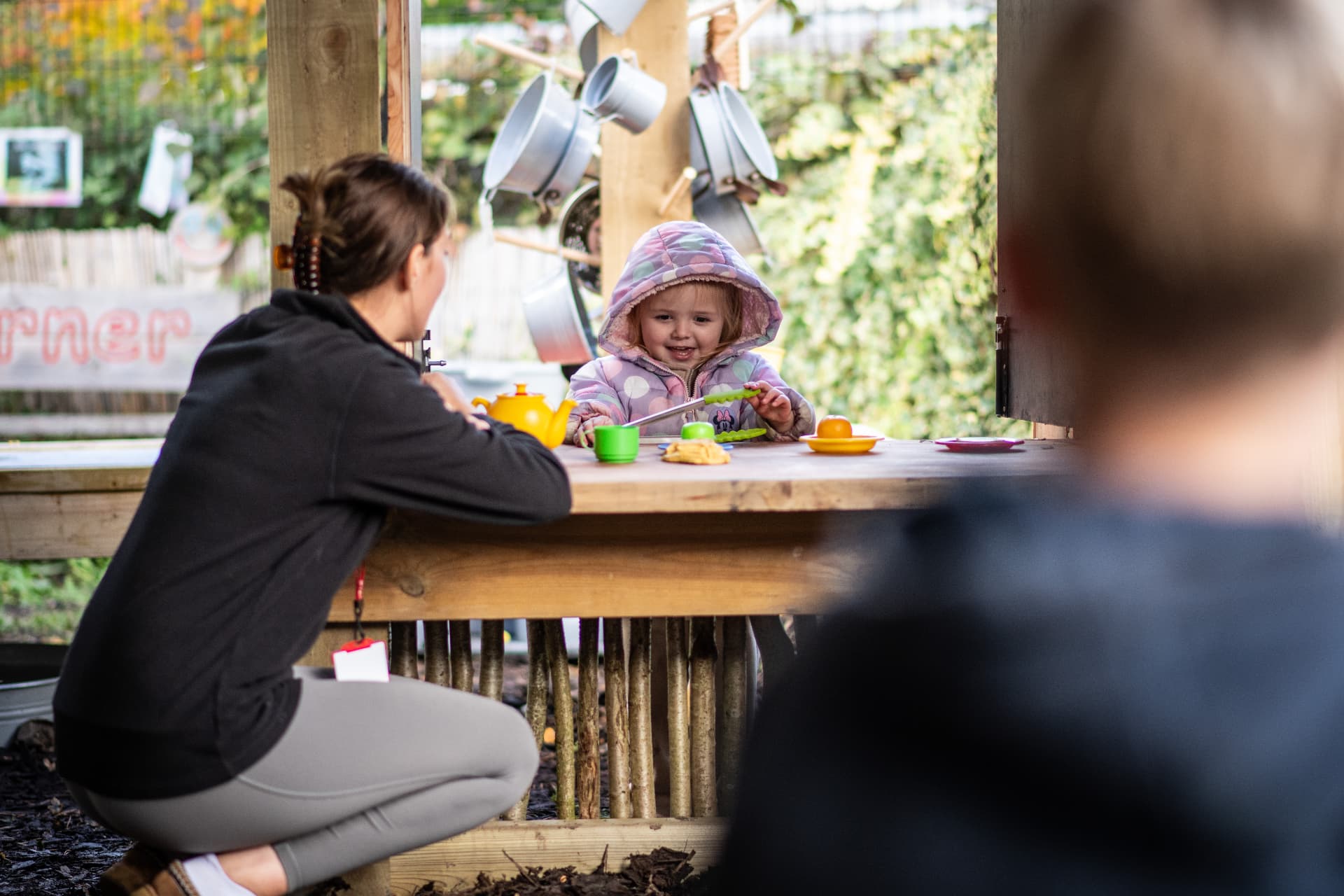
Room to gather, talk and work together gives group tasks a different energy.
Wellbeing & movement
Practical, hands-on activity outdoors gets pupils moving and doing.
Staff practice
A usable space gives teachers another way to teach — and to notice pupils’ strengths.
From evidence to school grounds
Regular, not occasional.
The difference between an occasional trip and everyday outdoor learning is often simply a usable space. A well-designed, adaptable area in your own grounds makes outdoor lessons easier to plan and deliver, week after week.
It doesn’t need to be large or expensive. A small or underused corner can be enough to start, and improvements can happen in stages as budget allows.
With purposeful planning, outdoor learning can span all six Areas of Learning and Experience in the Curriculum for Wales. The space makes it possible; the planning makes it happen.
See what could work in your grounds
In the conversation
A subject gaining national attention.
On 16 October 2026, the BBC reported that the Royal Foundation Centre for Early Childhood is commissioning a new project exploring how nature-rich environments can support babies’ and young children’s social and emotional development.
This is newly commissioned research — a question being explored, not a completed study or a proven finding. We mention it because it shows how current this subject is. NOOK’s own approach stays grounded in the completed research above.
What the evidence can’t promise
Studies vary in size and quality, and many can’t show cause and effect. An outdoor area will not automatically raise attainment, solve attendance problems or address mental health needs. What it can do is make regular outdoor learning practical — the rest comes from your staff and pupils.
One distinction worth knowing: Forest School is a regular, long-term, learner-led programme in natural settings, led by trained practitioners. An outdoor learning area on its own is not a Forest School programme — though it can support one.
Sources and guidance
Research, guidance and examples to inform your school’s own decisions.
Mann et al. (2022)
A systematic review of nature-specific outdoor learning
Ly & Vella-Brodrick (2024)
A systematic review of school-led greenspace interventions
Forest Research
Forest Schools in England and Wales
Natural England
The Natural Connections project
Welsh Government
Curriculum for Wales statutory guidance
Estyn
Learning in the outdoors: a wide range of learning experiences
Talk through your grounds, priorities and budget
A conversation about your space. No pressure to commit.